This post contains affiliate links. If you make a purchase, I may earn a small commission at no additional cost to you. As an Amazon Associate, I earn from qualifying purchases.
Vietnam was easier to travel around than I’d expected, but there were a few things I was glad I knew before arriving. And there were others I learned along the way, like checking whether a hotel room has an outside window and knowing which word to use when you need the toilet.
I took notes as I traveled, partly so I’d remember the little details and partly because I knew they’d be useful to someone going for the first time. These 27 tips for traveling to Vietnam come from my solo trip through Hoi An, Hue, Ninh Binh, and Hanoi.
Some will help before you leave home. Others will make more sense once you arrive.
Table of Contents
1. Check your visa dates
As a US passport holder, I needed a visa to visit Vietnam. Your requirements may be different, so check the rules for the passport you’ll be traveling on.
If you need a visa, apply through the official Vietnam immigration website. Apply early because it can take several days to process.
When choosing your visa dates, you don’t have to use your exact arrival and departure dates. Choose a start date a couple of days before you plan to arrive and an end date a couple of days after you plan to leave. That gives you some wiggle room if your plans change.
You just need to make sure you arrive and depart within the dates on your visa.
For more help getting your paperwork ready, check out my international travel documents guide. You can also download my free Travel Documents Checklist to make sure you have everything you need before your trip.
2. Download WhatsApp
WhatsApp is how most people in Vietnam communicate, including hotels, guides, and drivers. You can use it to send messages and make calls over Wi-Fi or mobile data, without using your cell phone calling plan.
I loaded an Airalo eSim onto my phone for data and used WhatsApp while I was out and about without having to be on Wi-Fi.
I made sure my kids downloaded WhatsApp too, so we could call each other while I was away.
3. Download Grab
If you’ve used Uber, Grab will feel familiar. It’s a ride-booking app used in Southeast Asia, and I relied on it throughout Vietnam. Download it and set up your payment method before you go.
My hour-long ride from Da Nang airport to Hoi An cost about US$15. Short rides of a mile or two often cost less than US$2, considerably less than I’m used to paying for Uber at home.
If you haven’t used it before, my guide to using Grab walks you through booking your first ride.
For more apps that made getting around easier, see my guide to the best travel apps for Southeast Asia.
4. Get a regional eSIM
My biggest tip for staying connected is to get an eSIM that covers the region you’ll be traveling through, not just your destination.
My flights to and from Vietnam included layovers in Taiwan and Japan. A regional eSIM covered all three countries, so I didn’t need a separate one for each stop. Three countries, one eSIM!
I used this 15-day unlimited Airalo data plan for Asia and it worked perfectly throughout my trip. It cost less than US$50, much cheaper than my phone company’s $12-a-day international plan.
Before you buy, check that the plan covers every country where you’ll want service and that your phone is unlocked and eSIM compatible.
5. Bring a sleeping bag liner for the overnight train
If you’re taking an overnight train, bring a sleeping bag liner. I used mine on the overnight train from Hue to Ninh Binh and it was the single best thing I packed for Vietnam!
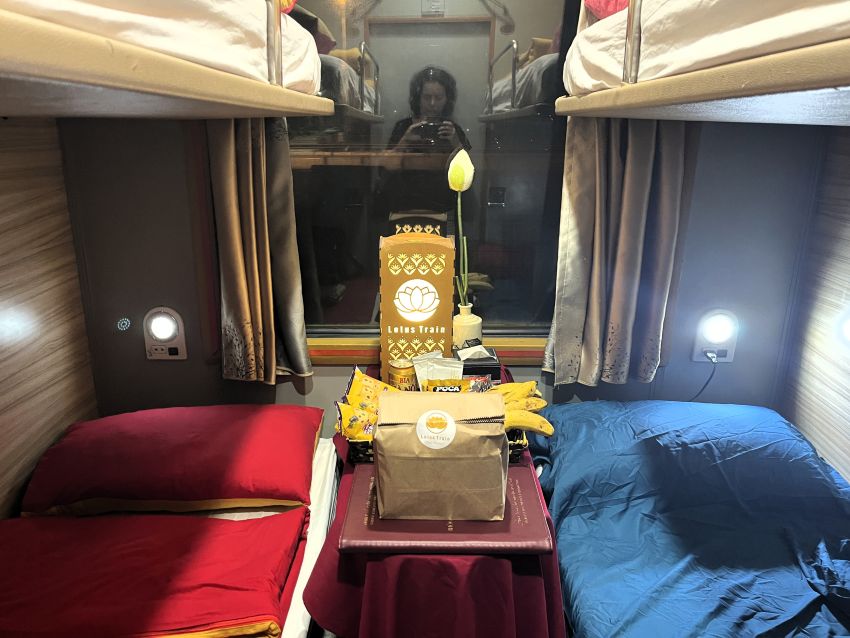
Sleeping bag liner for the win!
This is the exact Sleeping Bag Liner that I used. Having that layer between me and the train bedding put my mind at ease about cleanliness. You never know exactly what you’ll find until you get there, and I was glad I brought it.
6. Cash and credit cards
I found a lot of places didn’t accept credit cards or, if they did, they had a 5% fee.
So, I used cash for food, entry tickets, and souvenirs. Grab rides and tours were paid by credit card without a fee through the booking apps.
For hotels, I used cash when they charged an additional 5% for card payments. Where there was no surcharge, I paid by credit card.
Keep small bills handy for cafés, street food, and entry tickets. I was able to break larger bills at bigger restaurants, and hotels can usually help with change too.
7. Using ATMs
I didn’t use an ATM during my trip because I’d brought cash from home to exchange at the airport. But you’ll find ATMs along the street and attached to banks.
If you need to withdraw money from an ATM, VPBank is worth looking for. Supposedly they do not have local ATM fee for foreign cards.
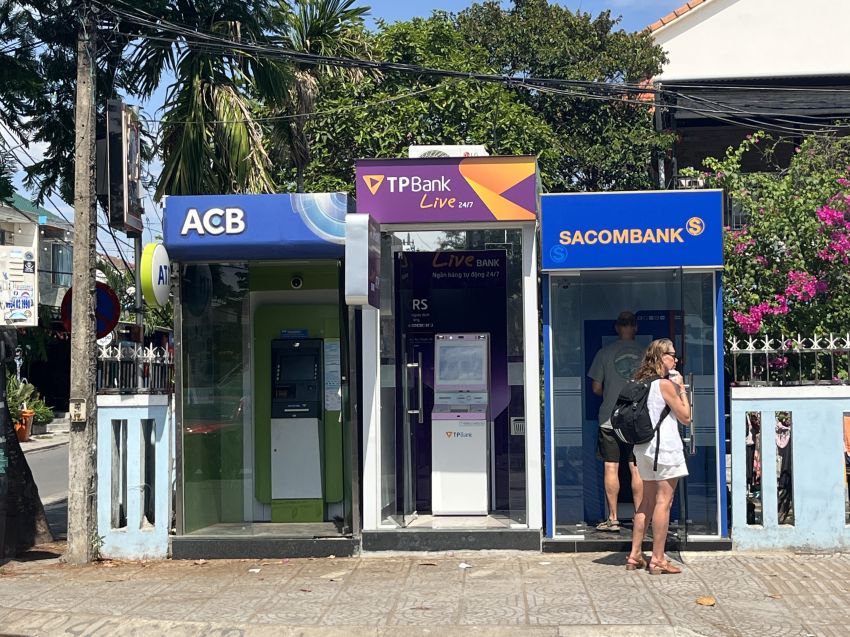
Your own bank may still charge an overseas ATM fee. You should check that with your bank before you go.
8. Hotels will ask for your passport
Hotels will ask to see your passport at check-in, and some may ask you to enter passport information when you book. They need your details to register your stay with the authorities.
If you haven’t come across this before, it can feel odd to hand over your passport. But it’s a normal part of checking in. You get it back once they’ve finished checking or copying your details.
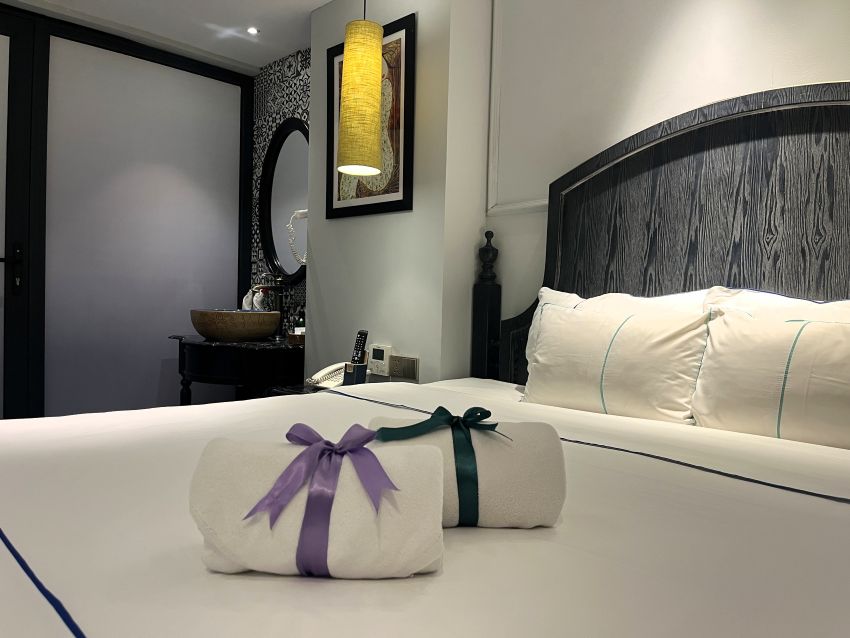
9. Not all hotel rooms have outside windows
In Hanoi’s Old Quarter, some hotel rooms have no outside windows. Zero windows.
Many buildings are narrow, deep, and closely packed together. A room in the middle of the building may have no exterior wall where a window could go.
My room at Hanoi Emerald Waters Valley Hotel had a window facing an interior shaft. It didn’t bother me, and I’d still recommend the hotel. But if daylight or an outside view matters to you, ask about the specific room before booking.
10. Your hotel may not have an elevator
Don’t assume a hotel will have an elevator. Stairs can be narrow and steep, so check before booking if climbing them with your luggage would be a problem.
Floor numbering can be different too. The first floor usually means one level above the ground floor. If you need a room at street level, ask for the ground floor and confirm whether there are any steps to reach it.
11. Don’t drink the tap water
Don’t drink the tap water in Vietnam. My hotel rooms had free bottles of water, so I’d take one with me when I headed out or use it to refill my own water bottle.
I’m thinking about buying a LifeStraw water bottle for future trips. Have you heard of them? They have a built-in filter that removes bacteria and parasites (not viruses). If you’ve used one, tell me about it in the comments. I’d love to know what you think!
While we’re on the subject of water, you also won’t automatically get served water at restaurants, like in the US. If you want it, order bottled water and expect to pay for it.
12. Take a food tour
If you’re interested in street food but don’t know where to begin, a food tour is an easy way to get started. You have someone choosing the stops and explaining what you’re eating, plus a little company if you’re traveling solo.
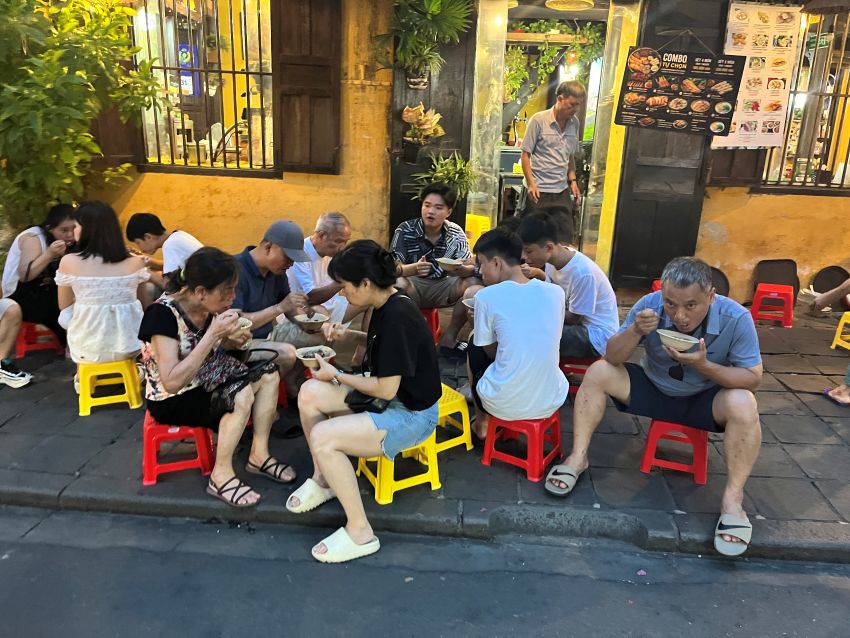
On my food tours in Hoi An and Hanoi, we tried several types of dumplings, grilled pork, steaming bowls of soup, and a surprisingly good black sesame soup for dessert. And yes, you’ll even sit on those little plastic stools!
13. Practice using chopsticks
I really should have learned how to use chopsticks before going to Vietnam. At several places, including stops on my food tours, my food arrived with chopsticks and no fork in sight.
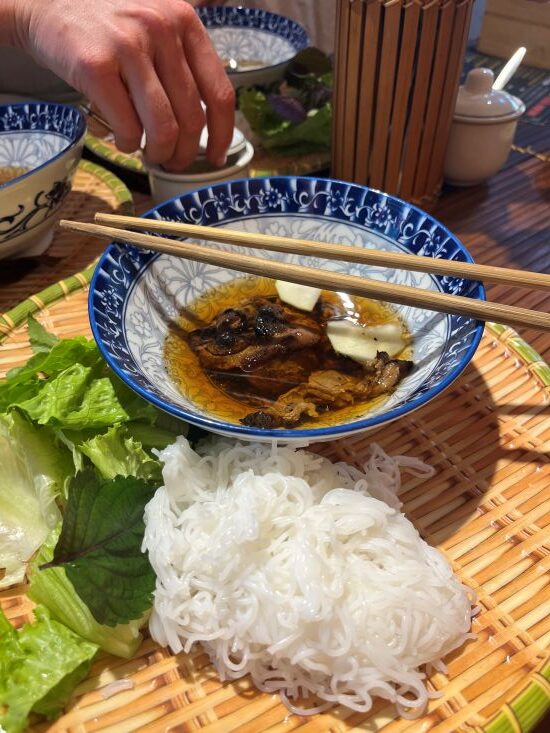
Could I have asked for a fork? Probably. Would they have had one? I have no idea. Instead, I muddled through, trying to get the food from my plate to my mouth.
It wasn’t pretty. I’m sure there were a few giggles, and I was doing some of the giggling myself. I was a little embarrassed, but it was also part of the fun.
If you’re as inexperienced with chopsticks as I was, practice a little before you leave. Your dinner companions might thank you!
14. You have to ask for the check
When you’re finished eating, don’t sit waiting for the check to appear. You’ll usually need to ask for it. Paying at the counter is also completely normal, so if you’re not sure what to do, just ask.
15. Tipping isn’t expected everywhere
I was never asked for a tip during my trip. I did tip a couple of tour guides, but the amounts were modest.
Tipping isn’t generally part of everyday local dining in the way it is in the U.S.
16. Look for stairs at the back of cafés
A café or restaurant that looks tiny from the street may have more seating upstairs.
Look for a narrow staircase toward the back. Sometimes it leads to seats overlooking the street, where you can enjoy your coffee and watch everything happening below.
The steps can be steep though, so check before heading up.
17. Motorbikes park all over the sidewalks
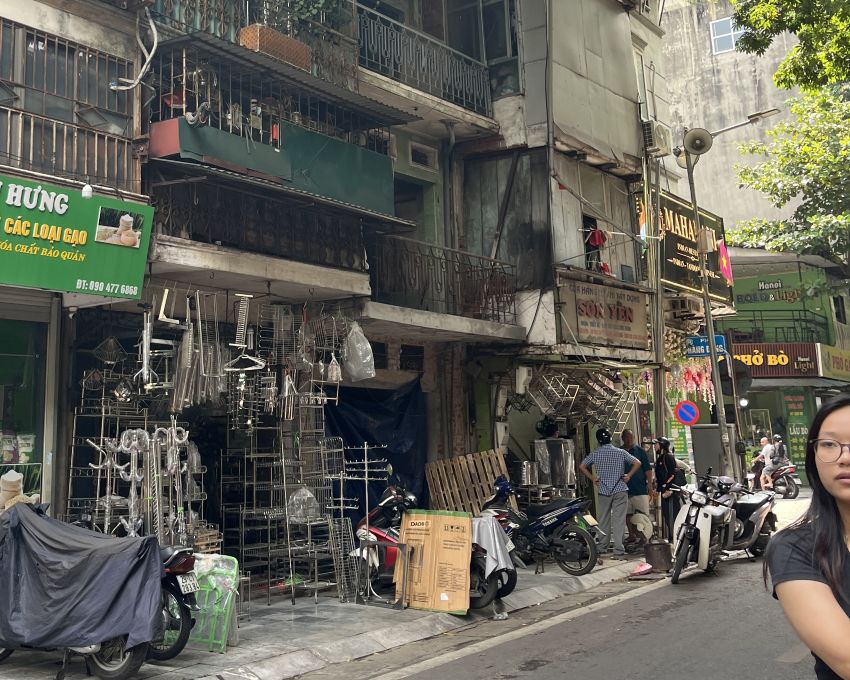
If you’re wondering why everyone is walking in the street, take a look at the sidewalk. Chances are, it’s full of parked motorbikes!
Even when you can walk on the sidewalk, keep an eye on where you’re going. Some are uneven, cracked, or missing chunks altogether. I spent plenty of time stepping around bikes and watching my footing.
18. Crossing the street
Hanoi’s streets were just as crazy as I’d imagined! Motorbikes seemed to be coming from every direction, and the first time I needed to cross, I wondered how on earth I was going to get to the other side.
I learned to look for a gap, step out, and keep walking at a steady pace. The motorbikes would go around me. It felt very scary at first, but it got less scary each time I did it.
Before long, I was crossing those streets like I’d done it a hundred times. Well, almost!
19. Take a break from the heat
Give yourself time in the afternoon to rest, cool off, or use your hotel pool. I loved having a pool at Moire in Hoi An and missed having one in Hue, my hottest stop.
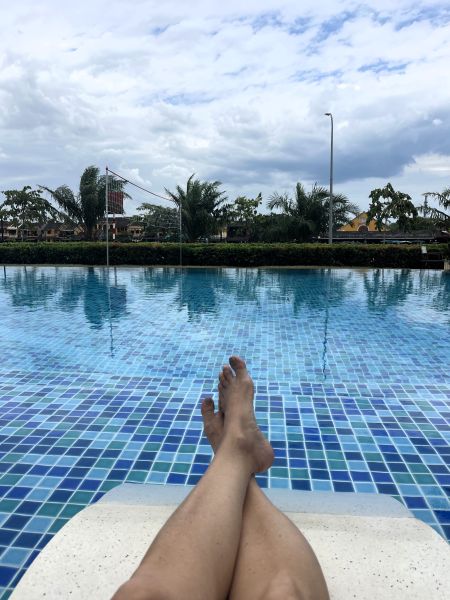
Take advantage of air-conditioned spaces, whether that’s a café, museum, or restaurant. A cold drink and some time out of the heat can make you feel ready to head back out.
You don’t have to spend every hour on the go. Sightsee earlier, take a break during the hottest part of the day, and leave more exploring for later.
20. Cover your shoulders and knees at religious sites
Have your shoulders and knees covered before entering temples, shrines, and religious sites.
I saw people get turned away for not being properly covered. Not every place has a sarong or wrap for you to borrow so you’ll want to bring your own.
21. Asking for the bathroom
Use the word “toilet” when you’re asking where to go. I tried “bathroom” a couple of times and wasn’t understood. “Toilet” worked.
I also saw facilities marked WC, which stands for water closet. Western toilets were everywhere I went, but you may also come across squat toilets if you’re in less touristy places.

WC sign pointing to the restroom
Carry tissues or wipes with you because toilet paper isn’t always there. Sometimes you’ll find a handheld water sprayer beside the toilet. It’s exactly like a kitchen spray hose. I never quite got used to it.
You may see a bin beside the toilet with instructions to put toilet paper there. Yup, used toilet paper. Some plumbing can’t handle flushed paper so it’s best to just put it in the bin. Wipes go in the bin too, even if the package says flushable.
22. Read about common scams
Before going, do a quick internet search for common scams in Vietnam and in the cities you’re visiting.
In Hanoi, when I was going to the Ho Chi Minh Mausoleum, a man pulled up on a motorbike and repeatedly said, “Ho Chi Minh closed” and tried to sell me a different attraction. I kept saying no thank you and continued walking. After a couple of very long minutes, he stopped and left.
I’d already read about the “Ho Chi Minh closed” approach, so it didn’t catch me off guard.
Check opening hours yourself rather than changing your plans based on a stranger’s directions. You can also check the latest Vietnam travel guidance from the U.S. State Department before you leave.
23. Some places close in the middle of the day
Check the hours before walking across town, especially if you’re planning a visit around lunchtime or early afternoon. There were a couple of places that were closed when I went in the middle of the day.
Look for weekly closures and longer maintenance periods too. If you’re traveling around Tết, check holiday hours before relying on the usual opening hours.
24. Bargain brand-name goods may be knockoffs
The branded goods I saw sold on the streets and in some market shops were knockoffs. Some looked convincing; others, less so.
Buy something because you like it and the price works for you, but don’t assume a familiar logo means you’re getting the genuine brand.
25. Be prepared for air pollution
When I arrived in Hanoi from Ninh Binh, I could see the haze hanging in the air. It wasn’t something I had to check an app to notice. The difference was right in front of me.
Hanoi’s air pollution comes from several sources, including traffic, construction dust, factories, and burning waste. On some days, the weather can keep that pollution hanging around.
I wore a mask my first day in Hanoi, then wore it less and less during the rest of my stay. Air quality can change from day to day, so check the air quality in Hanoi during your trip and bring a mask if you’re sensitive to pollution.
26. English was enough for most of my trip
I had no trouble communicating in the tourist areas where I stayed. Many people I met spoke English. Some older people I encountered spoke French instead.
A couple of times, my driver used a translation app, and we just took turns speaking into it. It was very easy.
People were friendly and helpful, and we always managed to work things out. I wouldn’t let worrying about the language stop you from going.
27. Hanoi’s loudspeakers are public broadcasts
In Hanoi’s Old Quarter, you may hear loudspeakers attached to poles and buildings. I usually heard them in the mornings.
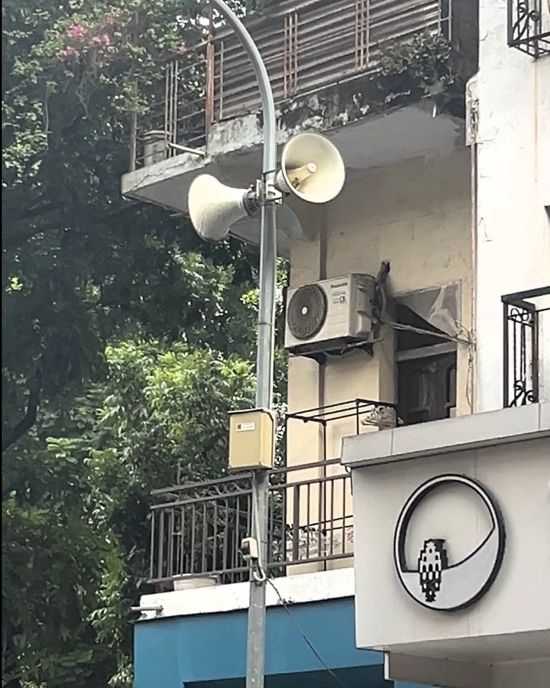
The city’s fixed broadcasting service began in October 1954 as a way for authorities to share official information and political propaganda. During the war years, the speakers also carried news and air-raid warnings.
They’re still used for official announcements and public information today. If you hear a voice coming from somewhere above the street, that’s probably what it is.
Enjoy your first trip to Vietnam!
Vietnam felt much more manageable once I was there doing everyday things. I hope these notes save you a few surprises and leave you more time for the parts you came for.
If Vietnam will be your first trip on your own, my guide to planning your first solo trip can help you work through the details of traveling solo.
Still deciding where to go in Vietnam? My Vietnam itinerary shows how I put my trip together, including the two train travel days between stops.